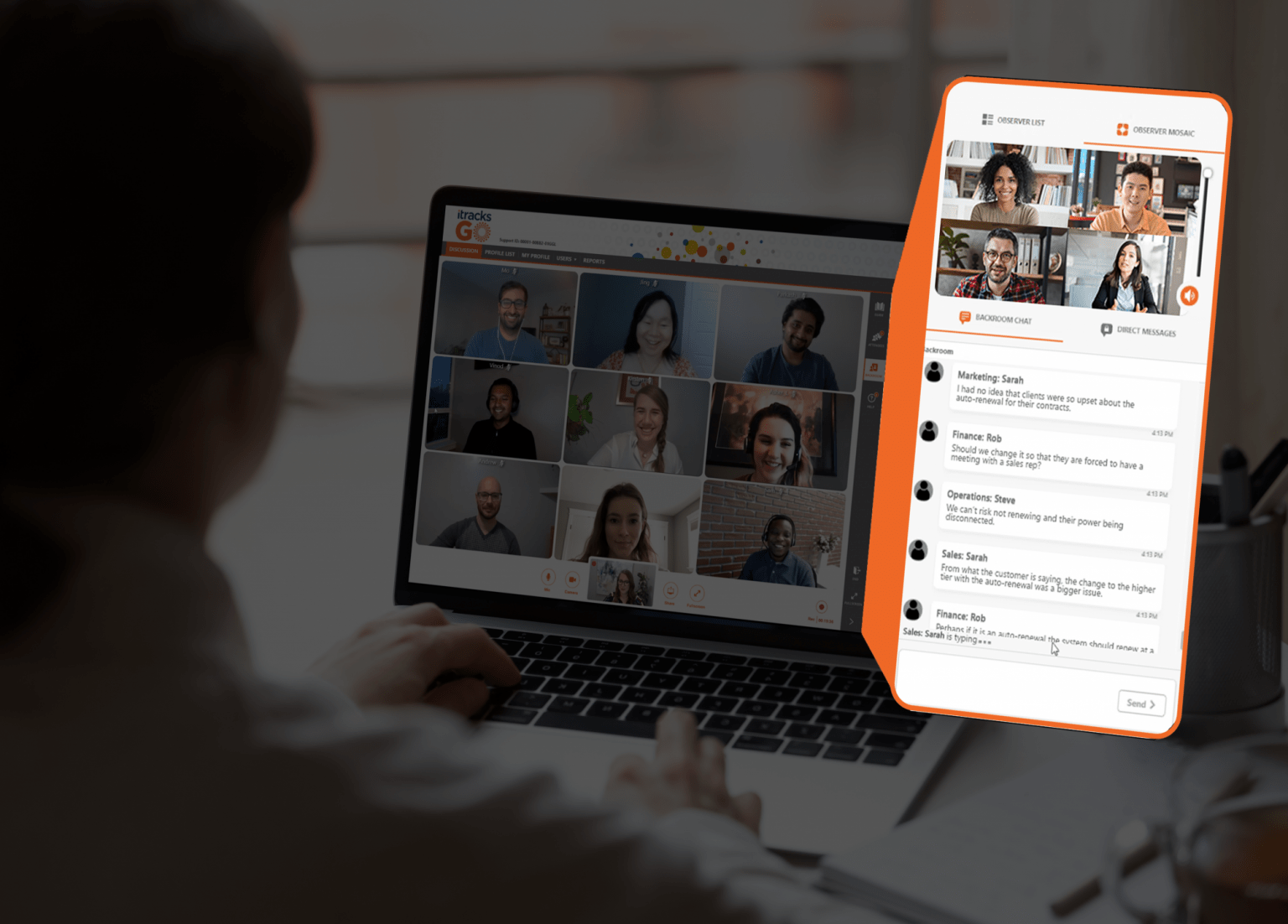
Participant fraud in qualitative research is no longer an occasional bad day. It is a structural risk, and it lands hardest in the 15 minutes before a focus group opens, when a project manager finds out whether the people logging in are the people they recruited. This case study looks at how SMARInsights, a full-service market research firm, uses video articulation, the itracks term for a short video participants record during the recruit, to confirm identity before a session begins. It draws on Shelly Lindley, Project Director at SMARInsights, who has worked in qualitative research for more than 30 years.
How widespread is fraud in qualitative research?
The industry numbers are not encouraging. In a recent poll of roughly 150 research professionals, only about 8% rated participant quality as excellent, while close to 8 in 10 rated it fair or worse, a figure that has barely moved even after a panel provider was indicted in 2024 for fabricating research results. Greenbook's GRIT data shows the same trend, with fraud detection shifting from a specialist precaution to standard practice across the industry. Fraud is most rampant in quantitative research, where bot farms can flood a survey at volume, but the larger incentives attached to qualitative studies, often $100 to $150 for 90 minutes, make a seat in a focus group worth counterfeiting. The consequence is heavier too. A fraudulent survey response is one bad row in a dataset. A fraudulent participant in a group of 10 contaminates the session for everyone in it, in front of the client, in real time.
Quality recruiting before and after video articulation
Shelly Lindley describes her role as the glue that holds a project together during implementation. She coordinates across the SMARInsights team to keep timelines on track, and she is the person who answers to the client when something goes wrong. The recruiting phase carries most of the pressure. It starts with briefing recruiters and the sample vendor, then managing shifting project requirements, then a great deal of time with the client to be certain the right people are being sourced. SMARInsights works to a 3 to 1 recruit. Every panelist is followed up individually to confirm
commitment, while demographics and behavioral propensities are balanced across the group. The day before the session, the whole list is reconfirmed. Dan Weber, President of itracks, frames the same problem from the supplier side: A team may have worked hard to find 10 genuinely good participants, and it takes only one bad one to spoil the result.
itracks' video articulation tool addresses fraud at the point where it can still be fixed, which is before the session rather than during it. Dan Weber describes the design intent as a delivery truck rather than a Ferrari, built for work use, with a single interface so project managers are not jumping between systems. Screener data is uploaded from whatever screening software the recruiter already uses. Provided each record carries a unique identifier, the verification layer sits on top of it.
Video Articulation: Seeing participants before the session
The feature that changed the SMARInsights recruit most directly is the video articulation question. Participants record and submit a short video as part of the recruit, and the recordings populate against their records for review. Shelly Lindley uses that review to confirm four things at once:
-
The person invited is who they say they are;
- they can be understood;
- they are comfortable on camera;
- and they have no technical problems and a working knowledge of the process.
The screening effect is behavioural as it is forensic.
"Most people, if they are not legit, they don't leave a video. They don't want to leave a video, because they know they're caught. But if they do, you are just able to not have them show up in your group. It's huge, and it's very easy to use." Shelly Lindley, Project Director, SMARInsights
Text first outreach and technical checks
Two further layers sit around it. Text first outreach replaced telephone screening, which had become unreliable as participants increasingly screen calls from unfamiliar numbers. Recruited participants then pass a technical check that examines where they are logging in from and whether
they are masking their location.
The results: a 92-93% show rate and a calmer session
Between video articulation, text follow up and the technical check, itracks reports show rates in the range of 92 to 93%. That is what allows a supplier to stop recruiting 14 people to seat 10.
At SMARInsights the effect shows up twice. The recruit itself improved substantially, and the exposed 15 minute window before the session, once the most anxious moment in the project, is no longer a scramble. That matters most for the moderator, who is the person who has to work with
participants who are not right for the session. A more relaxed moderator produces better
responses, which is the entire point.
"It's like the missing piece to your recruit. Putting a tool in place that can validate who you're actually recruiting, who you're going to talk to, is a game changer. It just makes things more valid for your clients." Shelly Lindley, Project Director, SMARInsights
Is Participant verification worth it for smaller research teams?
For a full service firm like SMARInsights, where qualitative work sits alongside quantitative and a handful of groups run at a time, the tool has proved cost effective. The saving is not only in hours. It is in the direct cost of over recruiting and the incentives that no longer have to be paid to
participants who were never needed.
See the tool against your own project setup. Book a walkthrough with the itracks team or watch the full session replay.
Presented in Partnership